If you are having trouble viewing this email please Click here
 |
BRASH CONSULTING ENEWS - AUGUST 2010 |
All Things Great and Small
Welcome to our August newsletter. Having consulted, facilitated, coached, investigated and mediated many issues since I last wrote, one theme is common to all those situations Particularly in the context of critical incidents including grievances/formal complaints it is too easy to get caught up in the details and identity of one case and one set of parties when their conflict can be but one outward manifestation of a much bigger issue. Despite the importance of reasonable support for both parties, individualising the organisational response is too convenient, too simplistic and won’t necessarily reduce any risk of future occurrences. In each piece below I have taken up this theme. Enjoy! |
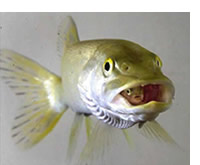

Is Common Sense All That Common?You may have read recently about the tragic case of a UK nurse who mistakenly administered the wrong medication to a patient because it was located next to another with almost identical packaging in the same hospital drug cabinet. By sad coincidence, the patient was a nurse who worked at that same hospital. She died some few hours later. The question I was asked to explore by National Safety Magazine was why common sense doesn’t appear to be all that common. Each of us possesses a Reticular Activating System or RAS that takes in and processes information about the world to alert us to threat and opportunity. However if we ‘noticed’ everything around us we would go into overload and not be able to function at all. Tragically sitting here and reading about the patient story we can envisage how two medications placed next to each other on the shelf with the same overall 'look' could be mistaken by a busy nurse under pressure. Possible explanations for why this tragedy was seemingly not anticipated and averted could be:
In my opinion, it is easier to understand how one nurse made a mistake in failing to read the label on a bottle that looked so similar to another medicine bottle than it is to understand how a whole team of people systematically failed to take ownership of potentially foreseeable hazards. One person made a potentially avoidable mistake because of the inaction/inattention of many. To minimise such risks, organisations need to:
|

Investing in Good CultureIn the most high profile sexual harassment complaint ever lodged in this country, David Jones appears to have failed Kristy Fraser-Kirk because she did allegedly attempt to speak out in relation to unwelcome attention that offended or humiliated her (sexual harassment) but her concerns about the alleged inappropriate attention from the CEO Mark McInnes fell on deaf ears or were made to people who felt powerless to stop it. Unlike some media commentators, I do not believe sexual harassment is on the rise nor do I believe we can assume it is more likely to happen in certain types of work environments e.g. manufacturing. I have run focus groups with women all over Australia including older women (in corporate environments) who said they had to learn from a very early working age to run around the desk faster than their male bosses and that they came to regard sexual harassment ruefully as “an occupational hazard”. Thankfully one thing working for us in a modern era is that generally speaking young women and men are more emancipated, more confident and more likely to be aware of their rights. However the same issues of abuse of power, opportunistic and ruthless behaviour by narcissistic and/or arrogant bosses and the genuine threat to career when people complain, are just as real. However we can demonstrate by zero tolerance, regular training, consistent and appropriate action taken and demonstrable protection against victimisation that organisations are serious about creating and maintaining a culture that is truly hospitable to all. That is the big and the small of such issues. Investing in good culture for everyone and supporting the individual staff member when they struggle. It is easy to focus on the complainant but that effectively treats them as the problem. What existed in context to allow this to happen? What do our organisations have to put in place to snuff out such threats to employees and to brand? Predictably, there will continue to be a public feeding frenzy on the specific details of this case. However, smart strategic company leaders will be more focussed on doing their best to mitigate such risks. |
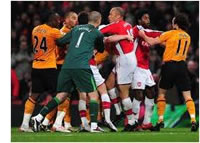
PassionIn the aftermath of the World Cup and managing a soccer team as I do - no not Manchester United but almost (well alright, the North Caulfield U14 girls)- I was disturbed a few weeks ago to see an opposition coach bellowing at his charges at half time for being 1-0 down. Yes, it’s reasonable to expect the kids to really have a crack but the intensity and the aggression shown by the coach was more than most of us thought was healthy or necessary. Some recent empirical research by Vallerand 2009 and Mageau 2008 has discovered a duality to passion. They distinguish between harmonious passion and obsessive passion. I was privileged to see Professor Vallerand present at an international conference three weeks ago and the findings are fascinating. Obsessive passion may be integral to becoming expert (what Malcolm Gladwell in “Outliers” refers to as doing our 10,000 hours for mastery). However in team sports those players who forge better relationships, recover better from injury and are able to prolong their careers are those who exhibit harmonious passion. The obsessively passionate are more likely to continue to train on an injury against expert advice, risk more serious and/or career threatening injury, struggle to forge healthy cohesive relationships and hence may not be the most respected leaders. Parents who are overly controlling and do not provide sufficient autonomy in contrast to those who are supportive but give the child space to discover and pursue their own passions are more likely to contribute to the development of obsessive passion. Passion as it is defined here is “a specific relationship with something we dearly love, find important and resonates with who we are”. One notable aspect of the distinction between the two types is the important contribution of harmonious passion to the world’s growing fascination with positive psychology. Drop me a line if you would like links to the research. |
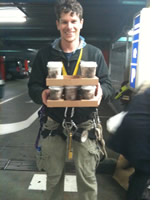
Risk ManagementOne of the themes running through this edition of the newsletter is risk management. This young man walking through a construction site carpark and graciously agreeing to stop for a photo had obviously ordered some very hot coffees! Safety overkill perhaps???!!! A Final NoteThank you for all the wonderful feedback we receive on our newsletters and for the growing number of people who indicate they want to be on our circulation list. I am delighted you find them thought- provoking. And please don’t read our pieces and beat yourself up about what you decide you should be doing. That’s wishful thinking and not that helpful. Let’s just be ourselves… only better! I will be working overseas for some of September. No doubt there will be stories and adventures to share on my return. |

|
|
To be removed from our mailing list, please email info@brashconsulting.com.au with ‘unsubscribe’ in the subject line.
|